
Vertebral Compression Surgeon in Kolkata
Overview
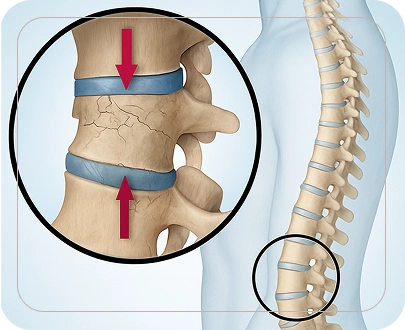
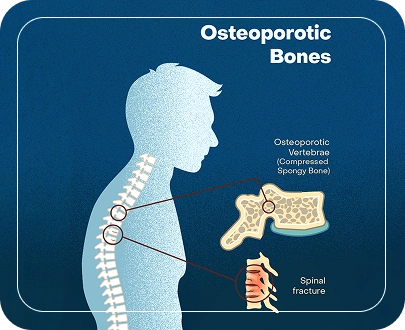
Vertebral compression is a fracture that occurs when one or more vertebrae (bone in the spine) collapse or weaken due to extreme pressure. This condition is often linked to osteoporosis, trauma or cancer that affects the middle and lower back. It can cause severe back pain, height loss, less mobility and spinal deformities. If you face similar concerns, consult Dr. Rohit Mishra, the best surgeon for vertebrae pain management and vertebroplasty treatment in Kolkata.
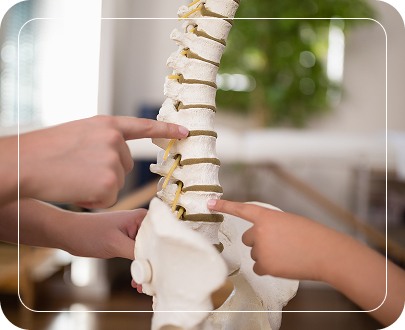
Types of Vertebral Compression
-
Wedge Fractures:
The front part of the vertebra breaks and collapses.
-
Crush Fractures:
The entire vertebra breaks under pressure.
-
Burst Fractures:
The vertebra breaks in multiple directions.
-
Acute Vertebral Compression Fracture:
Sudden collapse of a vertebra due to trauma or weakened bones.
-
Chronic Compression Fracture:
Gradual loss of vertebral height over time, usually due to osteoporosis.
-
Pathologic Compression Fracture:
Caused by cancerous tumours weakening the vertebrae.
-
Lumbar 1 Compression Fracture:
A specific fracture at the L1 vertebra, affecting lower back stability and movement.
Signs that you need a Vertebral Compression Surgery
Discuss your condition with Dr. Rohit Mishra for vertebrae compression treatment if you experience:

Intense pain in the middle or lower spine
Intense pain in the middle or lower spine

Height loss
Height loss

Curved spine (kyphosis) or hunched posture/dowager's hump
Curved spine (kyphosis) or hunched posture/dowager's hump

Difficulty in daily activities
Difficulty in daily activities

Limited spine movement
Limited spine movement

Spine stiffness
Spine stiffness

Sharp pain feeling more than weeks
Sharp pain feeling more than weeks

Numbness or tingling in severe cases
Numbness or tingling in severe cases

Difficulty in breathing
Difficulty in breathing

Increased risk of future fractures
Increased risk of future fractures

Book an appointment today
Causes & Risk Factors of Vertebral Compression
- Osteoporosis (weakened bones)
- Trauma from falls or accidents
- Bone cancers (e.g., multiple myeloma)
- Spinal infections
- Age-related bone degeneration
- Heavy lifting or spinal overloading
- Long-term steroid use
- Poor bone health and nutrition
Diagnosis of Vertebral Compression

Physical examination
Physical examination

Bone density test
Bone density test

CT scans
CT scans

X-rays

X-rays

MRI Scans
MRI Scans
Vertebrae Compression Treatment
Non-surgical
- Pain management
- Bracing
- Physical therapy
- Medication
- Rest and activity modification
- Nerve root blocks
- Epidural injections
Surgical
- Vertebroplasty/Balloon kyphoplasty
- Kyphoplasty
- Spinal fusion
- Decompression surgery

FAQs
Can vertebral compression fractures heal on their own?
Not always. Some mild fractures may heal naturally with proper rest and bracing. However, moderate to severe cases often require medical intervention for adequate healing.
Is vertebroplasty a major surgery?
No, vertebroplasty is a minimally invasive procedure performed under local anaesthesia. Most patients return home the same day.
Is vertebroplasty painful?
Vertebroplasty treatment is generally well-tolerated, and doctors immediately relieve pain. Before the surgery, consult with Dr. Mishra to discuss your concerns.
How can I prevent vertebral compression fractures?
Although it is nearly impossible to avoid accidental traumas, regular exercise, proper nutrition, calcium supplements and taking appropriate measures to prevent falls help reduce risks, especially if you have osteoporosis.
What activities should I avoid with a spinal compression fracture?
Avoid heavy lifting, bending forward, twisting movements and high-impact activities. Your doctor will provide specific guidelines based on your condition.