
Cerebral Stroke Doctor in Kolkata
Overview
A cerebral stroke occurs when blood flow to the brain is blocked, causing brain cell damage. In severe cases, surgery like craniotomy is required to remove clots, repair blood vessels, or relieve pressure. This procedure is crucial for patients with hemorrhagic or ischemic strokes to prevent further damage and aid recovery. In Kolkata, Dr. Rohit Mishra, an expert cerebral stroke doctor and craniotomy neurosurgeon, provides life-saving care for stroke patients.
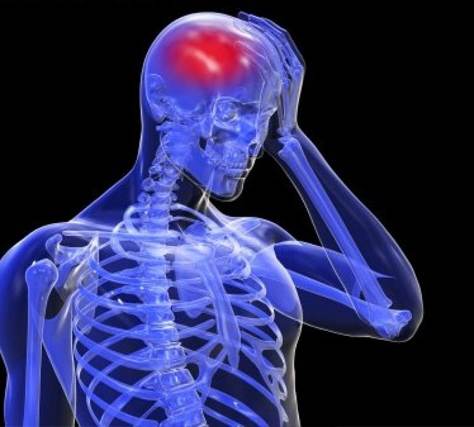
Types of Cerebral Stroke
There are three primary types of strokes:
-
Ischemic Stroke
This is the most common type, caused by a blockage in the blood vessels supplying the brain, often due to a blood clot.
-
Hemorrhagic Stroke
This occurs when a blood vessel in the brain bursts, leading to bleeding in the brain.
-
Transient Ischemic Attack (TIA)
This is a temporary blockage in blood flow, which can be a warning sign of a future stroke. It is often called a mini-stroke.
Common Signs & Symptoms
Recognising the signs of a stroke can save lives. Common symptoms include:
Sudden numbness or weakness in the face, arm, or leg, particularly on one side of the body.
Sudden numbness or weakness in the face, arm, or leg, particularly on one side of the body.
Confusion, trouble speaking, or difficulty understanding speech.
Confusion, trouble speaking, or difficulty understanding speech.
Vision problems in one or both eyes.
Vision problems in one or both eyes.
Difficulty walking, dizziness, or loss of balance.
Difficulty walking, dizziness, or loss of balance.

Book an appointment today
Causes & Risk Factors
Several factors can increase the risk of having a stroke, including:
- High Blood Pressure: A major contributor to stroke.
- Heart Disease: Atrial fibrillation or heart failure can increase stroke risk.
- Diabetes: Poorly managed blood sugar levels increase the likelihood of stroke.
- Smoking: Smoking damages blood vessels and raises the risk of a stroke.
- Age & Family History: The risk increases with age, especially over 55, and having a family history of stroke can also increase your risk.

Diagnosis
To diagnose a stroke, doctors typically perform a combination of tests, including:

CT or MRI Scans
To identify the type of stroke (ischemic or hemorrhagic) and assess brain damage.
CT or MRI Scans:
To identify the type of stroke (ischemic or hemorrhagic) and assess brain damage.

Blood Tests
To check for underlying causes like clotting disorders.
Blood Tests
To check for underlying causes like clotting disorders.

Cerebral Angiography
This test helps to detect any blockages in blood vessels leading to the brain.
Cerebral Angiography
This test helps to detect any blockages in blood vessels leading to the brain.
Surgeries
In severe cases of stroke, especially hemorrhagic or ischemic types, craniotomy surgery may be necessary. A craniotomy involves removing a portion of the skull to access the brain for procedures like:
- Clot Removal: In hemorrhagic strokes, the accumulated blood is removed to reduce pressure on the brain.
- Repairing Blood Vessels: Surgeons may repair ruptured or blocked blood vessels.
- Relieving Pressure: In cases of severe brain swelling, craniotomy can help alleviate pressure and improve blood flow to the brain.
For patients requiring this life-saving intervention, it is essential to seek a craniotomy doctor in Kolkata with expertise and experience in performing these delicate surgeries.
Frequently Asked Questions
What is the difference between ischemic and hemorrhagic stroke?
Ischemic stroke is caused by a blockage, while hemorrhagic stroke occurs due to a ruptured blood vessel in the brain.
How long does it take to recover after craniotomy surgery?
Recovery time varies, but it typically takes weeks to months, with rehabilitation needed for full recovery.
Are there any long-term effects of having a stroke?
Yes, stroke can lead to long-term effects like paralysis, speech difficulties, and memory loss, depending on its severity.
How can I prevent a stroke from happening?
Preventing a stroke involves controlling risk factors such as high blood pressure, diabetes and maintaining a healthy lifestyle.
What are the signs that I need to get immediate medical attention for a stroke?
Signs include sudden numbness, difficulty speaking, vision issues, or dizziness, which require immediate medical attention.