
Hydrocephalus Surgeon in Kolkata
Overview
Hydrocephalus is a condition where excess Cerebrospinal Fluid (CSF) accumulates in the brain, leading to increased pressure inside the skull. This can cause symptoms like headaches, nausea, vomiting, and cognitive impairments. Hydrocephalus is typically treated with surgery to remove the excess fluid and alleviate pressure. In Kolkata, experienced hydrocephalus surgeons provide specialised care, offering hydrocephalus surgery and other treatment options to improve patients' quality of life.
Types of Hydrocephalus
Hydrocephalus can be classified into different types based on its cause and development:
-
Congenital Hydrocephalus
Present at birth, often due to genetic factors or complications during pregnancy.
-
Acquired Hydrocephalus
Develops after birth due to factors such as head injuries, infections, or tumours.
-
Normal Pressure Hydrocephalus (NPH)
Often affects older adults, leading to symptoms like walking difficulty, memory loss, and urinary incontinence.
-
Communicating Hydrocephalus
Occurs when the CSF can flow between the ventricles, but the absorption of fluid is impaired.
-
Non-Communicating Hydrocephalus
Occurs when the flow of CSF is blocked in one or more ventricles.
Common Signs & Symptoms of Hydrocephalus
The symptoms of hydrocephalus vary depending on the severity and age of the patient. Common symptoms include:

Headaches
Persistent headaches caused by increased intracranial pressure.
Headaches
Persistent headaches caused by increased intracranial pressure.

Nausea and Vomiting
Resulting from pressure on the brain.
Nausea and Vomiting
Resulting from pressure on the brain.

Cognitive Impairment
Memory issues, difficulty concentrating, or confusion.
Cognitive Impairment
Memory issues, difficulty concentrating, or confusion.

Vision Problems
Blurry vision or double vision due to pressure on the optic nerves.
Vision Problems
Blurry vision or double vision due to pressure on the optic nerves.

Difficulty Walking
Gait disturbances, especially in older adults.
Difficulty Walking
Gait disturbances, especially in older adults.

Seizures
In severe cases, excess fluid buildup can trigger seizures.
Seizures
In severe cases, excess fluid buildup can trigger seizures.
If you notice any of these symptoms, it’s important to consult a hydrocephalus doctor in Kolkata for an evaluation.

Book an appointment today
Causes & Risk Factors of Hydrocephalus
Hydrocephalus can occur due to several causes and risk factors, including:
- Genetic Factors: Some forms of congenital hydrocephalus are inherited.
- Head Injury: Trauma to the head can cause bleeding or scarring that affects CSF flow.
- Infections: Meningitis and other infections can disrupt the production or absorption of CSF.
- Brain Tumours: Tumours can obstruct the normal flow of CSF.
- Pregnancy Complications: Certain birth defects during pregnancy can increase the risk of congenital hydrocephalus.
Once diagnosed, a hydrocephalus surgeon in Kolkata will provide personalised recommendations for treatment.

Diagnosis of Hydrocephalus
Hydrocephalus is diagnosed using a combination of tests, such as:

MRI or CT Scans
These imaging tests are used to visualise the brain’s ventricles and identify excess CSF accumulation.
MRI or CT Scans
These imaging tests are used to visualise the brain’s ventricles and identify excess CSF accumulation.

Neurological Examination
A thorough exam helps assess symptoms and brain function.
Neurological Examination
A thorough exam helps assess symptoms and brain function.

Intracranial Pressure Monitoring
In some cases, monitoring the pressure inside the skull helps determine the severity of hydrocephalus.
Intracranial Pressure Monitoring
In some cases, monitoring the pressure inside the skull helps determine the severity of hydrocephalus.
Once diagnosed, a hydrocephalus surgeon in Kolkata can recommend the best course of action for treatment.
Hydrocephalus Treatment Options
The primary treatment for hydrocephalus is surgery, which aims to relieve pressure on the brain and restore normal CSF flow:
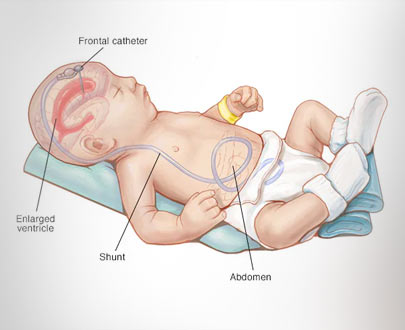
- Shunt Surgery: The most common surgical treatment, where a tube (shunt) is implanted to divert excess CSF from the brain to another part of the body (usually the abdomen) where it can be absorbed.
- Endoscopic Third Ventriculostomy (ETV): A less invasive procedure where a small hole is created in the floor of the third ventricle to allow CSF to flow freely, bypassing blockages.
- Ventriculostomy and Choroid Plexus Cauterisation (CPC): This combined surgery is used in certain cases of hydrocephalus to reduce the production of CSF and improve flow.

Frequently Asked Questions
What are the main causes of hydrocephalus?
Hydrocephalus can be caused by genetic conditions, brain injury, infections like meningitis, tumours, or complications during pregnancy.
How is hydrocephalus diagnosed?
Diagnosis is typically done using MRI or CT scans, along with a neurological examination and intracranial pressure monitoring to assess the severity of the condition.
Is hydrocephalus surgery always necessary?
Surgery is often required to relieve pressure on the brain by diverting excess cerebrospinal fluid through a shunt or using other surgical techniques.
Can hydrocephalus be treated without surgery?
In some mild cases, doctors may monitor the condition without surgery, but surgery is the most common and effective treatment for relieving symptoms.
What happens if hydrocephalus is left untreated?
If left untreated, hydrocephalus can lead to permanent brain damage, cognitive impairment, loss of motor skills, and other neurological complications.