
Spine Degeneration Surgeon in Kolkata
Overview
Spine degeneration is a condition that progresses with age. It occurs when the spinal discs and joints wear down, causing pain, stiffness, and reduced mobility. Although it is familiar with ageing, it may also result from lifestyle factors or injury. Consult Dr. Rohit Mishra, a renowned doctor in Kolkata, for immediate medical attention regarding spine degeneration treatment.
Types of Spine Degeneration
Spinal degeneration happens in different stages, impacting various spine parts. The primary spinal degeneration phases include:
-
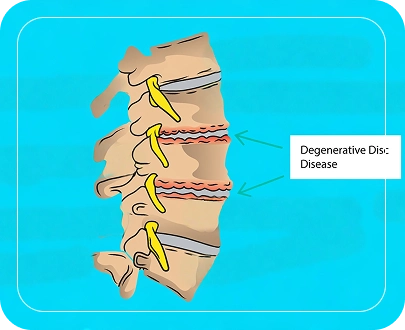
Degenerative Disc Disease (DDD):
The spinal discs lose hydration, reducing their ability to absorb shock and affecting the cushioning between vertebrae.
-
Facet Joint Degeneration:
Wear and tear in the joints between vertebrae lead to stiffness and discomfort.
-
Spinal Stenosis:
Narrowing of the spinal canal, putting pressure on nerves.
-
Spondylolisthesis:
Vertebrae slip out of place due to degeneration.
Signs you need a Spine Degeneration

Persistent back or neck pain in the morning
Persistent back or neck pain in the morning

Stiffness and reduced flexibility
Stiffness and reduced flexibility

Radiating pain in the arms or legs that worsens with movement
Radiating pain in the arms or legs that worsens with movement

Numbness or tingling sensations in arms or legs
Numbness or tingling sensations in arms or legs

Muscle weakness
Muscle weakness

Sharp pain during certain activities
Sharp pain during certain activities

Book an appointment today
Causes & Risk Factors of Spine Degeneration
Several factors contribute to spine degeneration disease:
- Ageing and natural disc wear
- Genetic predisposition
- Sedentary lifestyle or lack of movement
- Poor posture over time
- Repetitive spinal stress or strain
- Heavy lifting or incorrect lifting techniques
- Previous spinal injuries or trauma
- Smoking (reduces disc nutrition)

Diagnosis of Spine Degeneration

Physical examination
Physical examination

Medical history review
Medical history review

MRI, CT scan
MRI, CT scan
X-rays

X-rays

Movement assessments
Movement assessments

Nerve function tests to evaluate nerve compression
Nerve function tests to evaluate nerve compression
Spine Degeneration Treatments
Along with advanced and precise spine degeneration surgery in kolkata, such as discectomy, spinal fusion, or artificial disc replacement, Dr Rohit Mishra specialises in
- Physiotherapy
- Pain management
- Medication
- Lifestyle modifications
- Minimally invasive procedures like Epidural injections, nerve blocks


Preventive Measures with Spine Degeneration
- Maintain a healthy weight to reduce spinal stress.
- Exercise regularly to strengthen core muscles.
- Use proper weight-lifting techniques.
- Practice good posture while sitting and standing.
- Avoid smoking, as it affects disc health.
- Stay hydrated to keep spinal discs nourished.
FAQs
Can spine degeneration be reversed?
While not reversible, proper treatment and lifestyle changes can slow progression and significantly reduce symptoms, improving quality of life.
How long does recovery take after spine surgery?
Recovery from spine degeneration surgery varies from 6-12 weeks for minimal procedures to 6 months for complex surgeries, depending on the specific procedure.
Is spine degeneration the same as arthritis?
No, but they are related. Arthritis affects joints, while degeneration impacts discs and vertebrae.
What age does spine degeneration typically start?
Many individuals start to show early signs of spine degeneration at age 30. However, the noticeable symptoms usually appear between 40 and 60.
What exercises are good for spine degeneration?
Generally, low-impact exercises like swimming and walking are often recommended. Consult Dr Mishra for a tailored exercise plan.