
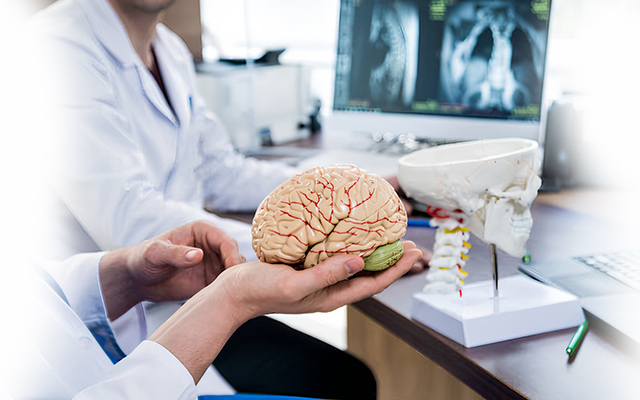
A brain tumour is an abnormal growth of cells within the brain or its surrounding tissues. It can occur at any age and may be benign or malignant.
A medical evaluation is necessary when neurological symptoms persist, worsen, or interfere with daily life. In our fast-paced metropolitan city, early diagnosis often determines whether treatment involves monitoring, medication, or surgery.
Consulting an experienced neurosurgeon in Kolkata, like Dr Rohit Mishra, early can prevent unnecessary procedures while safeguarding long-term brain function.
Why does the fear of a brain tumour arrive before the facts do?
Most people do not arrive at the word tumour logically. They arrive emotionally.
It starts with something small. A headache that doesn’t quite behave like the others. A moment where a word disappears mid-sentence. A brief spell of dizziness, which you attribute to skipping meals or screen fatigue. You move on—until you don’t.
One search later, fear floods in.
In our beloved city, where long workdays, dense commutes, and chronic stress are normalised, symptoms are often absorbed into routine. The danger is not ignorance. It’s normalisation.
Are brain tumours actually becoming more common—or just more visible?
Brain tumours are not suddenly epidemic. What has changed is detection.
Improved imaging, wider MRI availability, and increased awareness mean more tumours are being identified earlier. Urban cities (such as Kolkata) naturally have higher diagnosis rates because people eventually seek tertiary care.
The problem is not overdiagnosis. Rather, it is a late understanding.
What exactly is a brain tumour—and why labels matter more than panic
A brain tumour is not one condition. It is a category that encompasses dozens of distinct pathologies, each with distinct clinical manifestations.
The first critical medical distinction is ‘Benign vs Malignant’ brain tumour.
| Tumour Type | Typical Growth Behaviour | Clinical Implication |
| Benign brain tumour | Grows slowly and may remain stable for years | Often monitored with regular scans; surgery may not be immediately required |
| Malignant brain tumour | Grows faster and can invade surrounding tissue | Requires timely medical or surgical intervention to prevent neurological damage |
But danger is not defined by the word “cancer” alone. Location, growth rate, and effect on surrounding brain tissue matter just as much.
This is why many tumours never require surgery.
Why are symptoms so easy to dismiss in adults?
Simply because the brain compensates—quietly and impressively—until it can’t.
Brain tumour symptoms in adults often appear as subtle changes rather than dramatic events.
People adapt without realising it. They push through fatigue. They excuse forgetfulness. They laugh off a mild imbalance.
Symptom patterns that raise concern
.
Why does waiting feel safe—but quietly change outcomes?
Waiting feels reasonable. It feels responsible. It feels calm.
But in medicine, delay doesn’t always cause disaster—it limits options.
How delay alters treatment pathways
| Patient mindset | Medical reality |
| “Let’s observe for now” | Observation works best early |
| “I’ll go if it worsens” | Worsening narrows non-surgical choices |
| “It’s probably stress” | Tumours don’t respond to rest |
The aim of early consultation is not urgency. It is choice preservation.
How is a brain tumour diagnosed accurately and safely?
Diagnosis follows structure, not speculation.
A neurological examination assesses reflexes, strength, coordination, and cognitive function. This is followed by imaging—most commonly an MRI for brain tumour diagnosis—to define size, location, and growth characteristics.
Imaging shows what exists. Clinical judgement decides what it means.
A scan alone does not dictate treatment.
When does a brain tumour actually need surgery?
One of the most common online questions is: when does a brain tumour need surgery?
Surgery is considered when:
- The tumour is growing over time
- Symptoms are progressive or disabling
- Critical brain areas are under threat
- Medical or radiation options are ineffective
In many cases, non-surgical treatment for a brain tumour or active surveillance is safer and more appropriate.
Surgery is not the default. It is a carefully weighed decision.
What treatment options are available in the city today?
Modern care focuses on precision rather than aggression. Advanced brain tumour treatment in Kolkata includes a spectrum of options tailored to the tumour’s behaviour and the patient’s needs.
Evidence-based treatment approaches
- Targeted microsurgical procedures
- Endoscopic techniques that minimise tissue disruption
- Radiation therapy, when indicated
- Long-term imaging surveillance
The goal is always the same: maximum function with minimum intervention.
Why does specialist expertise change the entire journey?
A reliable neurosurgeon does more than operate. They interpret uncertainty.
Patients in the city seeking a neurosurgeon for brain tumour evaluation are often searching for reassurance grounded in evidence. They want to know whether they need treatment now—or whether waiting is safe.
Under the guidance of Dr Rohit Mishra, a leading neurosurgeon in Kolkata, patients are counselled on evidence-based decisions. Additionally, he prioritises neurological safety, recovery, and long-term quality of life over rushed intervention.
Are younger adults truly at risk—or is that fear exaggerated?
Certain brain tumour risk factors in young adults include genetic predisposition and prior radiation exposure. However, most tumours identified in younger patients are slow-growing and highly manageable when detected early.
Age does not determine severity. Delay often does.
How does hospital choice affect brain tumour outcomes?
Choosing the best hospital for brain tumour treatment in Kolkata is not solely about reputation. It is about coordinated care—diagnostics, neurosurgery, intensive monitoring, rehabilitation, and follow-up functioning as one system.
Fragmented care increases anxiety and delays decisions. Integrated care restores confidence.
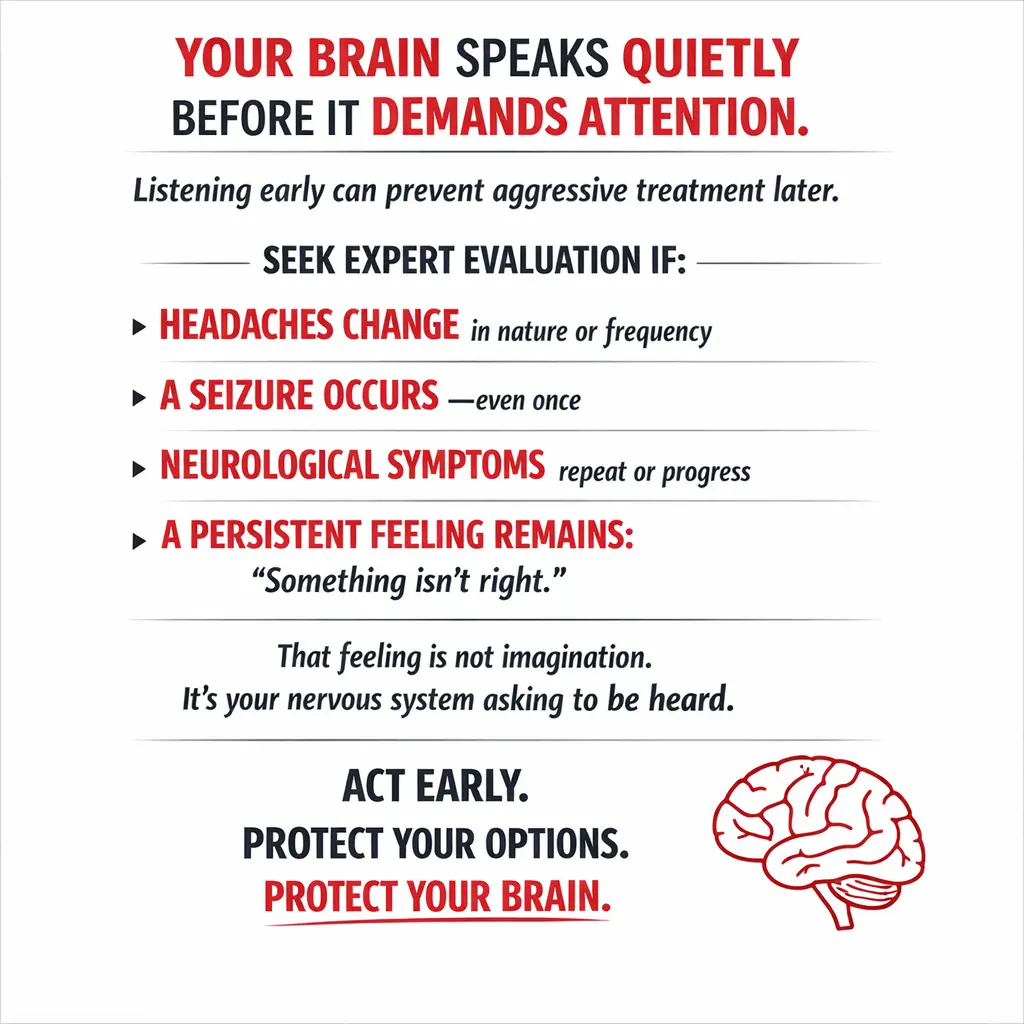
What signs mean it’s time to consult without delay?
What outcomes can patients expect with timely care?
Clarity can dispel fear. But only if you opt for timely care from an experienced neurosurgeon in Kolkata.
With early evaluation:
- Many patients never require surgery
- Those who do undergo intervention recover faster
- Long-term independence and cognitive function are preserved
The most consistent predictor of outcome is timing, not tumour size alone.
So what’s the one decision that changes everything?
Choosing clarity over comfort by consulting Dr Rohit Mishra, a neurosurgeon in Kolkata, early doesn’t lock you into treatment—it opens options.
Patients guided by him often realise the fear they carried was heavier than the diagnosis itself. So, if you’re reading this late at night, unsettled, unsure—don’t delay.
Book a session today.
People Also Ask
How to stop brain tumours from growing?
Brain tumour growth can only be slowed or controlled through medical treatment such as surgery, radiation therapy, chemotherapy, or targeted drugs, depending on tumour type. Early diagnosis is critical.
Can a brain tumour be detected early?
Yes. Brain tumours can be detected early through imaging tests such as MRI or CT scans, particularly when new or persistent neurological symptoms arise. Early detection improves treatment options and outcomes.
How to cure a brain tumour without surgery?
Some brain tumours can be treated without surgery using radiation therapy, chemotherapy, or targeted treatments, but this depends on tumour type, size, location, and grade. Many tumours still require surgery.
What were the first signs of a brain tumour?
Early signs often include persistent headaches, unexplained nausea, vision changes, seizures, memory issues, or weakness in an arm or leg. Symptoms usually worsen gradually over time.
How to reduce brain tumour size naturally?
There is no proven natural method to shrink a brain tumour. Diet, supplements, or lifestyle changes cannot replace medical treatment and should never delay professional care.