
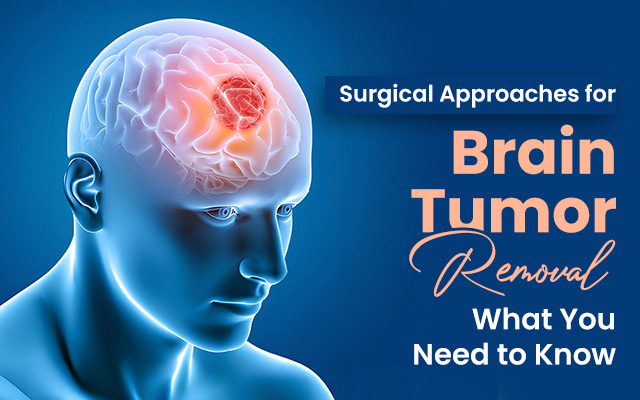
Hearing that you or a loved one has a brain tumour is scary. But here’s the part many people don’t know — brain tumour surgery today is far safer, more planned, and more precise than it was even a few years ago.
With the right neurosurgeon, good scans, and proper follow-up, many patients do very well.
As a noteworthy cerebral stroke doctor in Kolkata, Dr Rohit Mishra studies every case carefully before choosing the safest way to remove the tumour.
Understanding Brain Tumour Surgery
Not all tumours are the same. Doctors don’t use different methods for each case. They choose from different brain tumour surgery approaches to remove the maximum tumour and protect the healthy brain.
Main goals of surgery
- Remove or shrink the tumour.
- Protect speech, vision, and movement.
- Reduce pressure inside the skull.
- Allow medicines or radiation to work better later.
Traditional Surgical Techniques
Craniotomy
This is the standard open surgery. The surgeon opens a small part of the skull, reaches the tumour, and removes it. This is best for large or surface tumours.
Awake Craniotomy
When the tumour is close to areas that control speech or hand movement, doctors may do an awake craniotomy. You stay awake for a short time so the surgeon can test your speech or movement. This helps remove the tumour safely.
| Traditional method | When it helps most |
| Craniotomy | Big or complex tumours |
| Awake craniotomy | Tumours near speech/motor areas |
Minimally Invasive Surgical Approaches
Many people now ask for smaller cuts and faster recovery. For suitable cases, doctors offer minimally invasive treatments for brain tumours.
Keyhole and Endoscopic Surgery
- Keyhole brain surgery uses a very small opening.
- Endoscopic brain tumour surgery uses a thin camera through the nose or eyebrow.
These are very useful for pituitary tumours and skull base tumours.
Laser and Radiosurgery
Some deep or small tumours are treated with laser ablation for brain tumours or stereotactic radiosurgery. These methods target the tumour without a big opening.
| Minimally invasive option | Main benefit |
| Keyhole / endoscopic | Smaller scar, less pain |
| Laser ablation (LITT) | Good for deep small tumours |
| Stereotactic radiosurgery | No open surgery in many cases |
These are real advancements in brain tumour treatment that make recovery smoother.
Advanced Technologies in Brain Tumour Surgery
Modern OT setups now use image guidance, operating microscope, neuro-navigation, and sometimes robotic brain tumour surgery. These tools help the doctor reach the tumour through the safest route and remove more of it, not less. A team led by a cerebral stroke doctor in Kolkata will pick the technology that suits your tumour and your health.
Postoperative Care and Recovery
Recovery from brain tumour surgery depends on tumour size, location, and the method used. But the basic plan is simple:
- 1–2 days of close monitoring.
- Pain and swelling control.
- Early physiotherapy and speech therapy.
- Regular follow-up scans to check for tumour rest.
Good rehab helps your brain adjust and regain strength.
Possible Risks (and How Doctors Reduce Them)
All brain surgeries carry some risk — swelling, infection, seizures, or temporary weakness. Doctors lower these risks by:
- Doing a detailed MRI/CT before surgery.
- Planning the path to the tumour.
- Using minimally invasive options when possible.
- Watching you in the ICU after surgery.
This planned approach keeps surgery safe and predictable.
Learn About the Approach That’s Right for You
Brain tumour treatment today is precise, patient-centred, and hopeful — especially when it is planned correctly from the outset.
That’s why there is no “one ideal” surgery for everyone. Your age, symptoms, tumour type, and tumour location all decide the right plan. That’s why talking to an experienced neurosurgical team matters. Consult Dr Rohit Mishra, a renowned cerebral stroke doctor in Kolkata, to know which approach works best for you.