
Transsphenoidal Surgeon in Kolkata
Overview
Transsphenoidal surgery is a minimally invasive procedure used to remove tumours from the pituitary gland located at the base of the brain. This surgery is primarily performed to treat pituitary tumours, which can affect hormone levels and cause various symptoms such as headaches, vision problems, and hormonal imbalances. The surgery is performed through the nose, making it less invasive compared to traditional open surgeries. In Kolkata, experienced Transsphenoidal doctors provide expert treatment for pituitary tumours, ensuring better outcomes with advanced techniques.
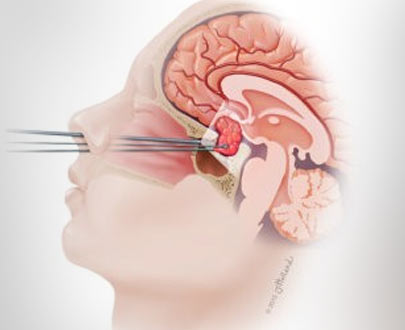
Types of Transsphenoidal Surgery
-
Traditional (Endonasal) Transsphenoidal Surgery
This approach involves accessing the pituitary gland through the nose, without external incisions, and is effective for most benign tumours.
-
Endoscopic Transsphenoidal Surgery
An endoscope (a thin tube with a camera) is used for better visualisation and guidance, making it suitable for small to medium-sized tumours.
-
Microscopic Transsphenoidal Surgery
A microscope is used to magnify the tumour, allowing for greater precision when removing larger or complex pituitary tumours.
-
Transsphenoidal Surgery with Extended Approach
For larger or difficult-to-reach tumours, this approach involves removing part of the bone or using advanced tools to access the tumour.
-
Robotic-Assisted Transsphenoidal Surgery
Robotic systems assist the surgeon, providing enhanced precision and control, especially for complex or high-risk tumours.
-
Hybrid Approach (Combination of Endoscopic and Microscopic Techniques)
This combines endoscopic and microscopic techniques to improve both visualisation and magnification for better tumour removal.
Signs & Symptoms that you need a Transsphenoidal Surgery
Pituitary tumours can cause a variety of symptoms depending on the type and size of the tumour. Common signs include:

Headaches
Persistent and worsening headaches that may not respond to typical treatments.
Headaches
Persistent and worsening headaches that may not respond to typical treatments.

Vision Problems:
Blurred or double vision due to pressure on the optic nerves.
Vision Problems
Blurred or double vision due to pressure on the optic nerves.

Hormonal Imbalances
Symptoms like unexplained weight gain, fatigue, or changes in menstrual cycles due to altered hormone levels.
Hormonal Imbalances
Symptoms like unexplained weight gain, fatigue, or changes in menstrual cycles due to altered hormone levels.

Nausea and Vomiting
Caused by increased pressure within the brain.
Nausea and Vomiting
Caused by increased pressure within the brain.

Loss of Libido
Changes in sexual function due to hormone disruptions.
Loss of Libido
Changes in sexual function due to hormone disruptions.

Book an appointment today
Causes & Risk Factors of Transsphenoidal Surgery
The exact cause of pituitary tumours is not always known, but some risk factors include:
- Genetic Mutations: Conditions like Multiple Endocrine Neoplasia (MEN) can increase the risk.
- Family History: A family history of pituitary tumours can increase the likelihood of developing one.
- Age: Pituitary tumours are more common in adults, though they can occur at any age.

Diagnosis of Transsphenoidal Surgery
Diagnosing a pituitary tumour typically involves the following steps:

MRI or CT Scans
These imaging tests help identify the size and location of the tumour.
MRI or CT Scans
These imaging tests help identify the size and location of the tumour.

Blood Tests
Used to check hormone levels and determine whether the tumour is affecting hormone production.
Blood Tests
Used to check hormone levels and determine whether the tumour is affecting hormone production.

Vision Tests
Conducted to evaluate the impact of the tumour on the optic nerves.
Vision Tests
Conducted to evaluate the impact of the tumour on the optic nerves.
Early detection is essential to prevent further complications, and a Transsphenoidal doctor in Kolkata can guide the diagnostic process efficiently.
Frequently Asked Questions
What is Transsphenoidal surgery?
Transsphenoidal surgery is a minimally invasive procedure used to remove pituitary tumours through the nose, reducing recovery time and risks associated with traditional surgeries.
How long is the recovery time after Transsphenoidal surgery?
Recovery typically takes 1-2 weeks, with most patients able to return to normal activities within 1-2 months, depending on their overall health and the extent of the surgery.
Are there any risks associated with Transsphenoidal surgery?
As with any surgery, risks include infection, bleeding, and damage to surrounding structures. However, the procedure is generally safe with proper expertise.
How do I prepare for Transsphenoidal surgery?
Pre-surgery preparation may include blood tests, imaging scans, and avoiding certain medications. Your doctor will provide detailed instructions to ensure a smooth procedure.
How effective is Transsphenoidal surgery for treating pituitary tumours?
Transsphenoidal surgery is highly effective for most pituitary tumours, with a high success rate in removing the tumour and restoring normal hormone function.