
Spine Degeneration Surgeon in Kolkata
- 1,850+ spinal surgeries performed
- Treats degenerative spinal conditions
- Evaluates spinal stability and nerve compression
Home / Treatments / Spine Degeneration

Need a Neurosurgical Opinion?
Discuss your symptoms, scans or treatment options with Dr Rohit Mishra.
Get In Touch +91 91473 80550Other Treatments
At a glance
Must-Know Facts
What Happens During Spine Degeneration?
Spinal discs, joints, and surrounding structures gradually wear down, which can cause pain, stiffness, and reduced mobility.
Can Spine Degeneration Affect Walking?
Yes. Spinal narrowing or nerve compression may cause leg pain, weakness, numbness, or walking difficulties.
Does Spine Degeneration Always Require Surgery?
No. Treatment depends on symptoms, spinal stability, neurological involvement, and how you respond to conservative treatment.
When Should Spine Degeneration Be Evaluated?
Persistent back or neck pain, radiating discomfort, numbness, weakness, or difficulty walking warrant medical evaluation.
Understanding Progressive Changes
What Is Spine Degeneration?
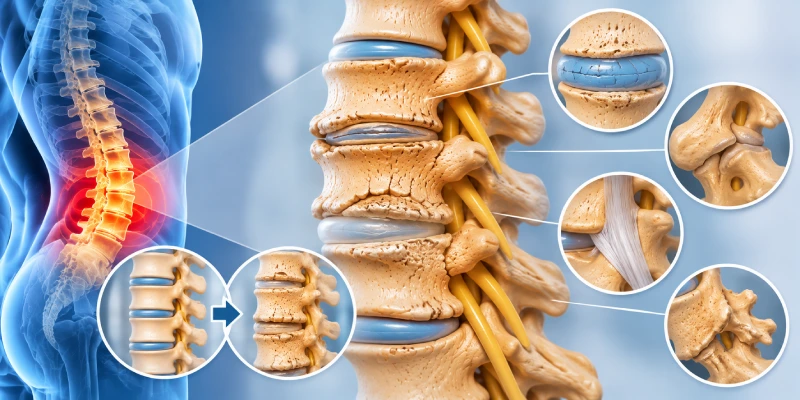
It refers to the gradual loss of normal structure and function in the spine's components—such as discs, joints, and ligaments—primarily caused by the natural wear and tear of ageing. It is not a traditional "disease," but rather a widespread condition that alters the anatomy of the spinal column over time.
Surgery helps relieve nerve compression, improve spinal stability, and address severe symptoms when necessary.
Key Structural Changes
- Intervertebral Discs: Lose water, height, and flexibility.
- Facet Joints: Cartilage wears down, bones rub.
- Ligaments: Stiffen or thicken with age.
- Vertebrae: Develop bony overgrowths called bone spurs.
Why Neurosurgical Expertise Matters
- Neurological Diagnosis: Pinpoint compromised nerve pathways.
- Microsurgical Techniques: Decompress nerves while preserving stability.
- Comprehensive Care: Exhaust conservative treatments before surgery.
- Risk Mitigation: Minimise nerve damage and complications.
Understanding Different Degenerative Conditions
Types of Spine Degeneration
Spine degeneration may affect spinal discs, joints, vertebrae, and surrounding structures. Different degenerative conditions can occur individually or together, influencing spinal stability, nerve function, and mobility.
Degenerative Disc Disease (DDD)
Spinal discs lose hydration and wear down, reducing shock absorption and cushioning between your vertebrae.
Facet Joint Degeneration
Cartilage in the spinal joints wears away over time, causing painful friction, stiffness, and discomfort.
Spinal Stenosis
The spinal canal narrows significantly, compressing nearby nerves and causing radiating pain or numbness.
Spondylolisthesis
Degenerated joints and ligaments weaken, allowing a vertebra to slip forward out of proper alignment.
Recognising Changes That Matter
Signs You May Have Spine Degeneration
Symptoms vary by the affected spinal region, the severity of degeneration, and possible involvement of surrounding nerves. Some people may have degenerative changes without noticeable symptoms.
Common Symptoms
- Stiffness and reduced flexibility
- Persistent back/neck pain
- Radiating arm/leg pain
- Numbness or limb tingling
- Progressive muscle weakness
- Sharp, electric-like pain
- Localised muscle spasms
Red Flags: Don't Wait
- Loss of bowel control
- Sudden leg/arm weakness
- Loss of bladder control
- Progressive, severe numbness
- Saddle numbness or tingling
- Inability to walk safely
Knowing The Root Of The Pain
Causes and Risk Factors of Spine Degeneration
Spinal degeneration occurs when spinal discs, joints, and surrounding structures gradually lose their strength, flexibility, or cushioning ability. Identifying the underlying cause helps determine appropriate management.
Main Causes
- Ageing and natural wear.
- Genetic or hereditary factors.
- Obesity and excess weight.
- Sedentary or inactive lifestyle.
- Chronic poor posture habits.
- Repetitive spinal stress injury.
- Improper heavy lifting techniques.
- Previous physical spinal trauma.
- Smoking reduces disc nutrition.
Factors Influencing Treatment Requirements
- Severity of nerve compression.
- Daily functional impairment levels.
- Failure of conservative care.
- Patient age and health.
- Presence of spinal instability.
- Progressive neurological deficit signs.
The Risks of Delaying
Complications of Untreated Spine Degeneration
Spinal degeneration may cause persistent pain, reduced mobility, and neurological symptoms. Progressive degenerative changes can sometimes affect spinal alignment, stability, and surrounding nerves.
Chronic Pain and Stiffness
- Persistent back pain
- Severe morning stiffness
- Ongoing muscle spasms
Herniated or Bulging Discs
- Compressed nerve roots
- Sharp radiating sciatica
- Severe localized numbness
Spinal Stenosis
- Narrowed spinal canal
- Pinched spinal nerves
- Restricted walking distances
Degenerative Scoliosis
- Uneven breakdown of discs
- Abnormal spinal curvature
- Visible postural deformity
Spondylolisthesis and Spinal Instability
- Vertebrae slipping forward
- Loose facet joints
- Chronic structural instability
Cervical Myelopathy
- Compressed neck cord
- Loss of hand dexterity
- Unsteady walking gait
Cauda Equina Syndrome
- Rapid leg weakness
- Perineal saddle anaesthesia
- Permanent bowel dysfunction
Permanent Nerve Damage and Paralysis
- Irreversible muscle atrophy
- Complete sensory loss
- Long-term disability
Surgical Safety Explained
Is Spine Degeneration Surgery Safe?
Dr Rohit Mishra evaluates spinal degeneration, neurological involvement, spinal stability, and overall health before discussing appropriate treatment options.
| Surgical Risk | Clinical Consideration & Management |
|---|---|
| Infection & Bleeding | Managed via sterile wound protocols and precise microvascular techniques to minimise blood loss. |
| Nerve & Dural Injury | Controlled through intraoperative neurological monitoring to protect the spinal cord and nerve roots. |
| Pain & Implants | Addressed via targeted structural fixation requirements and comprehensive postoperative healing protocols. |
Clarity Through Clinical Assessment
Diagnosis of Spine Degeneration
Dr Rohit Mishra, a spine degeneration surgeon in kolkata evaluates symptoms, medical history, spinal alignment, neurological findings, and imaging results to assess degenerative changes and determine appropriate treatment.
- Physical examination
- Medical history review
- MRI and CT scans
- X-rays
- Movement assessments
- Nerve function tests for compression
Wide Range of Treatments
Spine Degeneration Surgical Options
Dr Rohit Mishra evaluates degenerative changes, spinal stability, neurological involvement, and symptoms to determine whether conservative management or surgery is appropriate.
Discectomy
Surgical removal of herniated disc material relieves direct compression on spinal nerves and nerve roots.
Spinal Fusion
Permanently joining two or more vertebrae eliminates painful motion and stabilises an unstable spinal segment.
Artificial Disc Replacement
Replacing a diseased disc with a mechanical device preserves natural motion and reduces adjacent segment stress.
Physiotherapy
Customised exercise programs and targeted physical therapy restore flexibility, strengthen core muscles, and improve mobility.
Pain Management
Specialised therapeutic techniques and interventional procedures effectively alleviate chronic spine pain and reduce inflammation.
Medication
Prescription and over-the-counter pharmacological therapies effectively manage pain and reduce localised tissue inflammation.
Lifestyle Modifications
Ergonomic adjustments, weight management, and daily activity modifications significantly reduce stress on the spine.
Minimally Invasive Procedures
Targeted epidural injections and therapeutic nerve blocks provide rapid, directed relief from severe nerve compression.
What Comes After Diagnosis
Your Spine Degeneration Treatment Journey—Step-by-Step
-
Pain Management and Symptom Relief
Medications, temperature therapy, or targeted injections help manage pain, inflammation, and muscle spasms while improving comfort and movement.
-
Lifestyle and Ergonomic Adjustments
Adjust sitting, sleeping, and lifting habits to reduce spinal stress, improve posture, and minimise discomfort during everyday activities.
-
Physical Therapy and Mobility Restoration
Guided stretching, physical therapy, and low-impact exercises help restore spinal flexibility, improve mobility, and support everyday movement.
-
Rebuilding Core and Trunk Strength
Targeted isometric exercises strengthen core muscles, improve spinal support, and promote stability during everyday functional movements.
-
Advanced Interventions & Specialist Care
Persistent symptoms may require specialist evaluation, advanced pain management procedures, or surgical intervention when conservative treatments prove insufficient.

The Road to Healing
Recovery Timeline After Spine Degeneration Treatment
Recovery varies by spinal condition, treatment method, surgical extent, and individual progress.
-
Acute Weeks 1–2
Core Focus & ActivityWound healing, short walks, rest; avoid bending/twisting.
-
Subacute Weeks 3–6
Core Focus & ActivityLight desk work, posture control, gentle daily tasks.
-
Rehab Weeks 7–12
Core Focus & ActivityPhysical therapy, core strengthening, increased mobility.
-
Remodeling Months 3–12
Core Focus & ActivityFull bone fusion, return to sports, heavy lifting.
Answers to Common Queries
Frequently Asked Questions
Does spine degeneration affect only older adults?
No. Structural wear often begins silently in early adulthood, driven mainly by genetics and daily mechanical stress.
Does spine degeneration inevitably lead to paralysis?
No. Most individuals manage symptoms effectively through conservative care, maintaining full mobility and independence throughout their lives.
Can spinal discs slip out of their normal position?
No. These structures are securely anchored to vertebrae; they can bulge or herniate, but never completely dislodge.
Does spine degeneration on MRI always cause pain?
No. Imaging frequently reveals structural changes in completely asymptomatic individuals who feel absolutely no physical discomfort.
Does poor posture cause every degenerated disc?
No. Natural ageing, genetics, and cellular changes within tissues are the primary drivers of this gradual wear.