
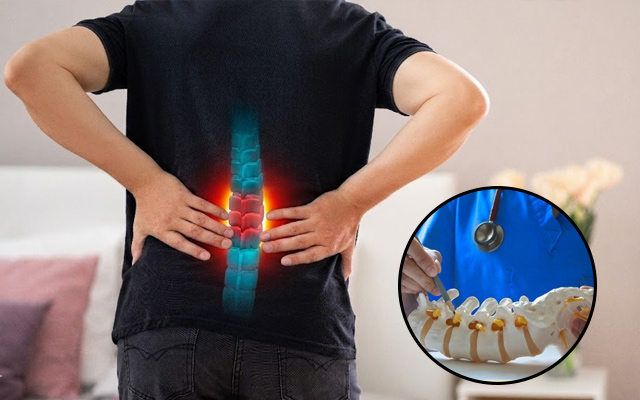
A slipped disc does not always become dangerous immediately. Many patients experience temporary back pain that improves with rest, medication, or physiotherapy.
However, when symptoms progress rather than resolve, the condition may begin to affect nearby spinal nerves more aggressively.
Dr Rohit Mishra, a trusted lumbar disc surgeon in Kolkata, often evaluates patients after weakness, numbness, or mobility problems have already started interfering with daily life.
Recognising the warning signs early is important. Worsening nerve compression can sometimes lead to long-term neurological complications if treatment is delayed unnecessarily.
10 Warning Signs a Lumbar Disc Surgeon Looks For in a Worsening Slip Disc

1. Intractable Sciatica That Does Not Improve
Sciatica usually causes pain travelling from the lower back into the buttocks and legs. Mild episodes often improve gradually with physiotherapy, medications, and activity modification.
Persistent sciatica lasting beyond several weeks despite treatment is more concerning. It may indicate ongoing spinal nerve compression from a worsening lumbar disc herniation.
Patients commonly experience:
- Sharp, electric-like pain down the leg
- Burning discomfort below the knee
- Pain worsens while sitting
- Difficulty standing comfortably
- Repeated flare-ups despite treatment
When sciatica persists rather than improving gradually, spine surgeons begin evaluating whether progressive nerve irritation is affecting the lower spinal nerves more significantly.
2. Progressive Motor Weakness in the Legs or Feet
Pain can reduce comfort, but muscle weakness often signals worsening nerve dysfunction.
As compressed spinal nerves struggle to transmit signals properly, the muscles that control movement and balance may gradually weaken.
Patients may notice:
- Difficulty lifting the foot upward
- Trouble climbing stairs normally
- Weakness while standing from sitting
- Legs feel unstable during walking
- Reduced movement control
Dr Rohit Mishra, an experienced lumbar disc surgeon in Kolkata, carefully evaluates progressive weakness. He understands that prolonged nerve compression may reduce the chances of complete neurological recovery if treatment is delayed for too long.
3. Worsening Numbness or Sensory Loss
Temporary tingling may occur during early nerve irritation.
Expanding numbness is more serious because it can indicate worsening sensory nerve involvement caused by lumbar disc compression.
Patients may report:
- Tingling spreading further down the leg
- Reduced sensation in the calf or foot
- Areas of skin feeling unusually numb
- “Pins and needles” pain is becoming constant
- Difficulty sensing touch properly
Increasing sensory loss should never be ignored.
Worsening numbness may reflect progressive spinal nerve dysfunction affecting lower limb sensation, coordination, and movement awareness over time.
Advanced Neurological Warning Signs of a Worsening Slip Disc

4. Saddle Anaesthesia Around the Groin Region
Saddle anaesthesia is considered a major neurological red flag associated with severe lumbar nerve compression.
The numbness affects the areas that would normally touch a saddle while sitting.
Patients may develop:
- Groin numbness
- Reduced sensation around the buttocks
- Inner thigh numbness
- Pelvic heaviness
- Reduced ability to properly feel touch sensations
This symptom may indicate severe compression of the cauda equina nerves, which are responsible for bladder, bowel, and lower limb function.
Immediate spinal evaluation is essential when saddle anaesthesia develops suddenly.
5.Loss of Bladder or Bowel Control
Changes involving bladder or bowel function are considered medical emergencies in patients with worsening lumbar disc symptoms.
These signs may indicate advanced compression of spinal nerves controlling pelvic organ function.
Emergency warning signs include:
- Difficulty starting urination properly
- Urinary leakage without awareness
- Reduced bowel control
- Sudden worsening of leg weakness
- Increasing pelvic numbness
When bladder or bowel symptoms appear alongside severe back and leg symptoms, spine surgeons become highly concerned about possible cauda equina syndrome requiring urgent spinal treatment.
6. Bilateral Symptoms or Pain, Tingling, or Weakness Beginning to Affect Both Legs
Most lumbar disc problems initially affect only one leg because nerve compression usually develops asymmetrically.
Symptoms involving both legs are more concerning because they may suggest central spinal canal compression.
Patients may notice:
- Pain affecting both legs
- Tingling spreading symmetrically
- Weakness on both sides
- Difficulty balancing while walking
- Increasing standing instability
Bilateral neurological symptoms often indicate a larger lumbar disc herniation affecting multiple nerve roots simultaneously and may require urgent neurological assessment.
7. Pain That Worsens With Simple Daily Movements
Certain routine movements can sharply increase pressure around an irritated lumbar disc.
Pain triggered by ordinary activities may indicate worsening mechanical stress affecting nearby spinal nerves.
Patients often notice worsening pain while:
- Coughing forcefully
- Sneezing suddenly
- Bending forward
- Sitting for prolonged periods
- Lifting lightweight objects
These pain patterns may suggest worsening lumbar disc instability or increased irritation of spinal nerve roots in the lower spine.
Signs a Worsening Slip Disc Is Starting to Affect Daily Function

8. Loss of Reflexes in the Knees or Ankles
Reflexes help spine surgeons understand whether spinal nerves are functioning normally.
Reduced reflexes may indicate worsening interruption of nerve signal transmission caused by lumbar disc compression.
Neurological examination may reveal:
- Weak ankle reflexes
- Diminished knee reflexes
- Delayed muscle responses
- Reduced lower limb reaction speed
- Signs of nerve root dysfunction
Although patients may not identify reflex changes, loss of reflexes remains an important clinical sign during the evaluation of worsening lumbar disc symptoms and neurological progression.
9. Spinal Deformity or Antalgic Gait
The body often changes posture automatically to reduce severe spinal nerve pain. Over time, patients may unconsciously lean or twist while standing and walking.
Common changes include:
- Leaning toward one side
- Uneven walking posture
- Twisted standing alignment
- Reduced spinal flexibility
- Limping during movement
This protective posture, called an antalgic gait, may indicate significant spinal nerve irritation and worsening lumbar imbalance affecting posture, movement, and spinal stability.
10. Severe Pain That Starts Affecting Sleep
Persistent nighttime pain may indicate worsening lumbar nerve irritation that is no longer responding well to simple positional changes or rest.
Sleep disruption often affects both recovery and daily functioning.
Patients commonly experience:
- Difficulty finding comfortable sleeping positions
- Pain unrelieved by resting
- Repeated nighttime pain flare-ups
- Severe discomfort while turning in bed
- Interrupted sleep due to leg pain
Pain severe enough to consistently disturb sleep may indicate ongoing spinal nerve irritation requiring further neurological and spinal evaluation.
Final Takeaway: Warning Signs of a Worsening Slip Disc Should Never Be Ignored

- Persistent sciatica may indicate continuing spinal nerve compression
- Progressive weakness or foot drop can signal worsening nerve dysfunction
- Spreading numbness may reflect advancing sensory nerve involvement
- Symptoms affecting both legs may suggest central spinal canal compression
- Saddle numbness and bladder changes require urgent spinal evaluation
- Delayed treatment may increase the risk of long-term nerve damage and mobility problems
Consult Dr Rohit Mishra for Worsening Slip Disc Symptoms and Call 91473 80550 to schedule an appointment today.
People Also Ask
Why does leg heaviness occur with a slipped disc?
A slipped disc may compress nerves responsible for leg strength and movement. Some patients develop heaviness, dragging sensations, or early muscle fatigue in the legs, especially after prolonged standing or walking.
Can a slipped disc cause burning pain in the calf or foot?
Yes. Irritated spinal nerves may cause burning, stinging, or heat-like sensations travelling into the calf, ankle, or foot. This type of radiating nerve pain is commonly associated with lumbar disc herniation.
Why are slipped disc symptoms often worse in the morning?
Lumbar discs naturally absorb fluid overnight, which can temporarily increase pressure within the spine when you wake up. This may lead to morning stiffness, tighter lower back muscles, or increased leg pain during early movement.
Can a slipped disc trigger muscle cramps in the leg?
Yes. Ongoing nerve irritation may sometimes cause muscle tightness, spasms, or cramping in the thigh, calf, or foot. These symptoms may become more noticeable after prolonged sitting, walking, or sudden movements.
Why can turning in bed worsen slipped disc pain?
Twisting movements during sleep may place additional pressure on irritated lumbar discs and compressed spinal nerves. Some patients experience sudden sharp pain while turning, changing sleeping positions, or getting out of bed.
Can a slipped disc make one leg feel colder than the other?
Some patients may experience unusual cold sensations or temperature sensitivity in one leg because of altered nerve signalling. This may occur alongside numbness, tingling, or radiating leg pain.
Why do slipped disc symptoms worsen after long car rides?
Long periods of sitting increase pressure on the lumbar spine and reduce spinal movement. This may aggravate disc irritation, tighten surrounding muscles, and worsen sciatica symptoms during or after travel.